Navigating the Year: A Comprehensive Guide to the Monthly Calendar from July 2026 to June 2027
Related Articles: Navigating the Year: A Comprehensive Guide to the Monthly Calendar from July 2026 to June 2027
Introduction
With great pleasure, we will explore the intriguing topic related to Navigating the Year: A Comprehensive Guide to the Monthly Calendar from July 2026 to June 2027. Let’s weave interesting information and offer fresh perspectives to the readers.
Table of Content
Navigating the Year: A Comprehensive Guide to the Monthly Calendar from July 2026 to June 2027
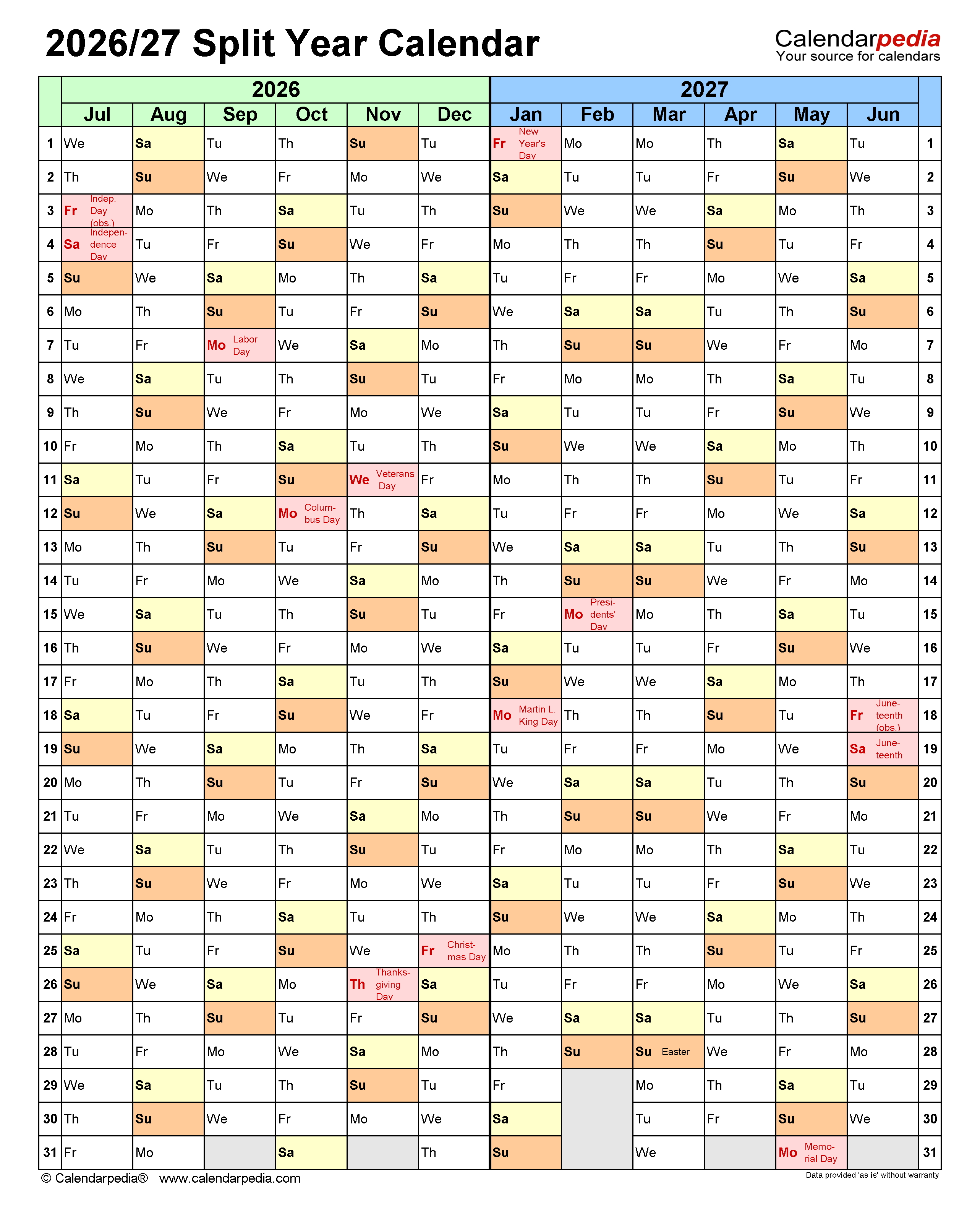
The calendar, a seemingly simple tool, holds immense power in organizing our lives, scheduling events, and ensuring we don’t miss important deadlines. This comprehensive guide delves into the monthly calendar from July 2026 to June 2027, providing a detailed overview of each month and highlighting key dates, holidays, and events that may be of interest.
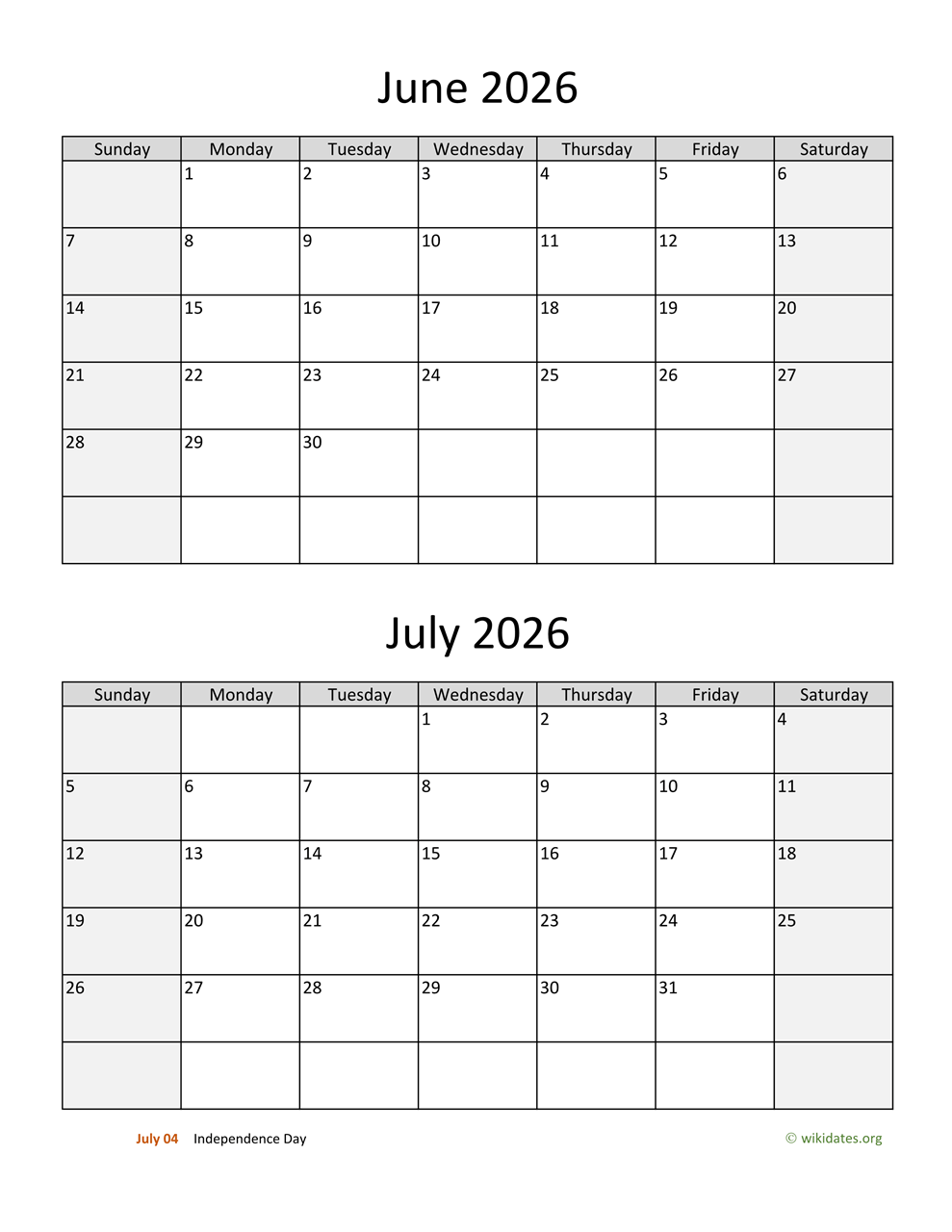
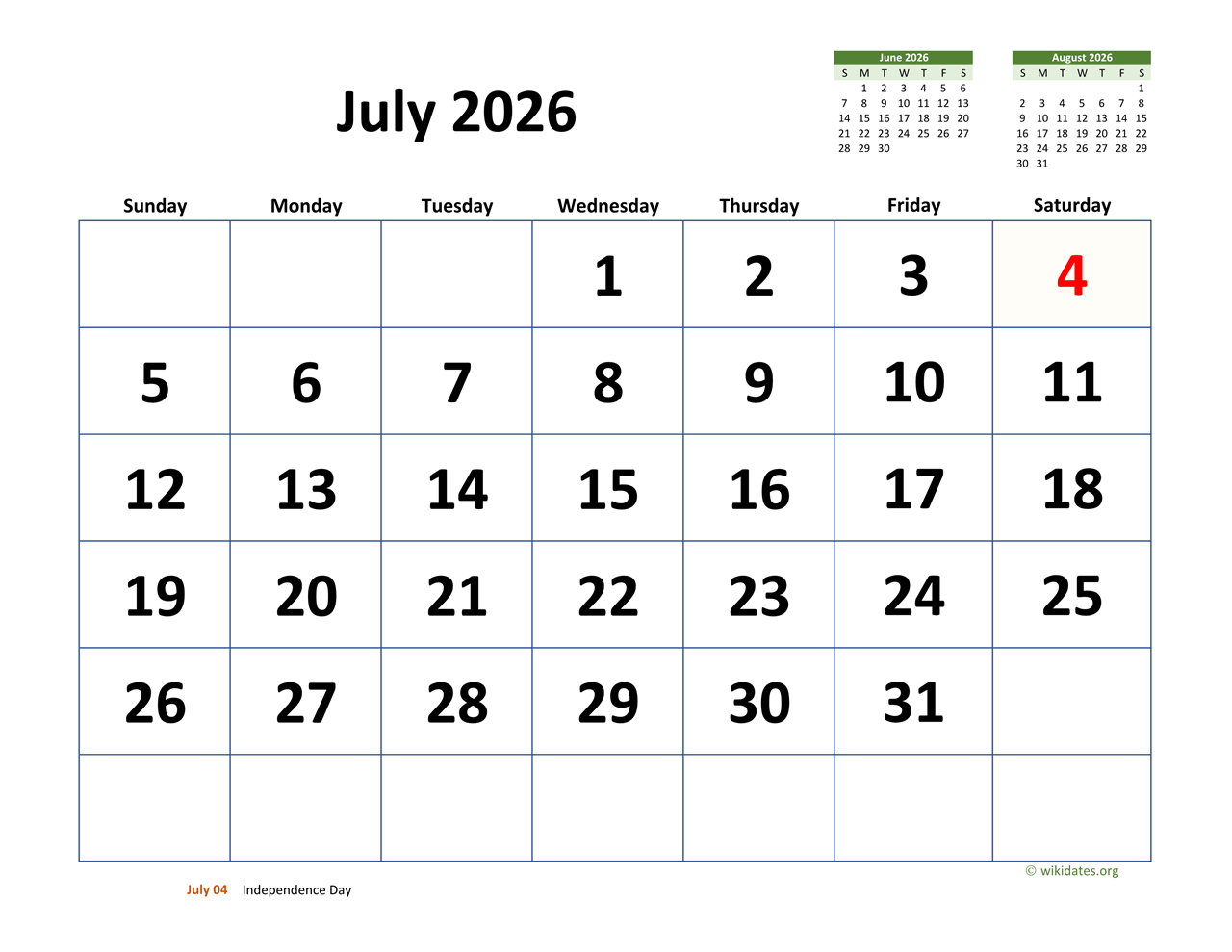
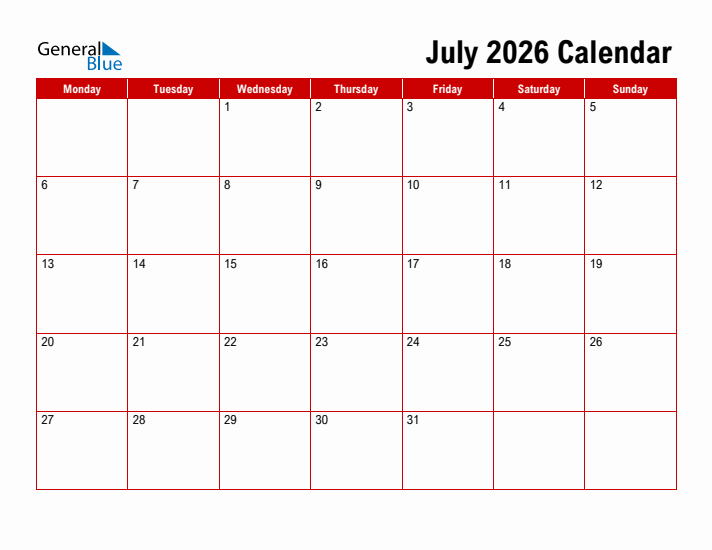
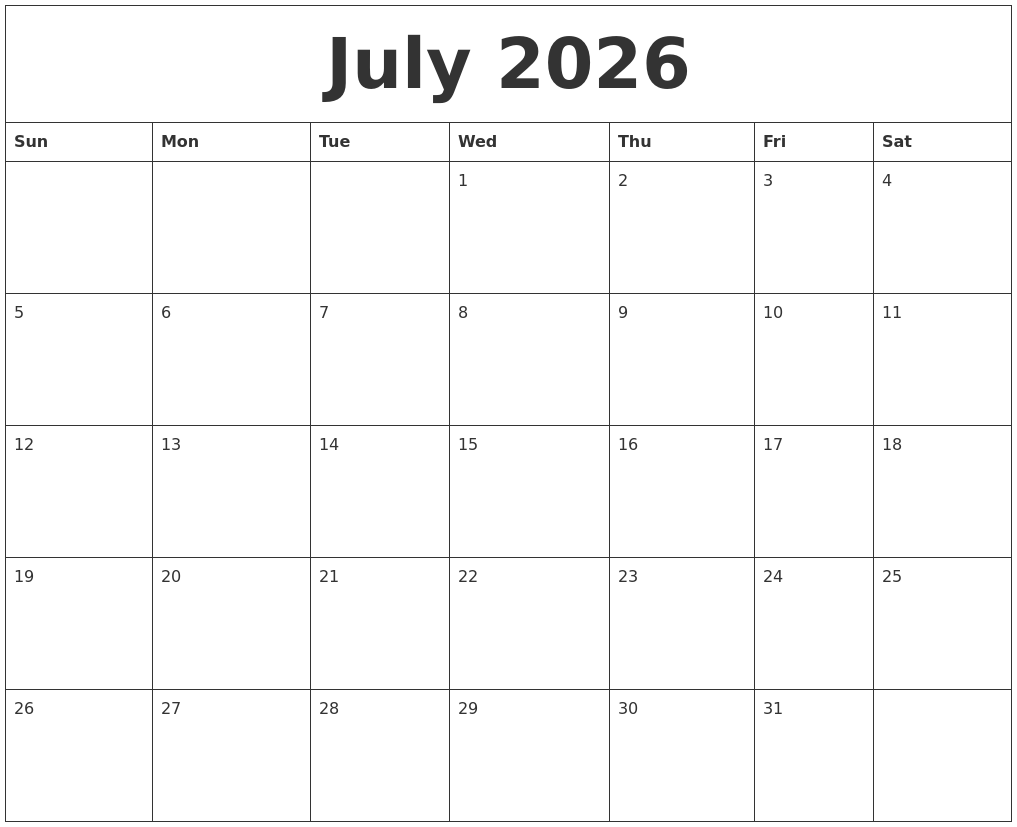
July 2026
July marks the start of our journey, ushering in the heart of summer. The month begins with the lingering warmth of the solstice, which fell on June 21st. The full moon, known as the Buck Moon, graces the night sky on July 3rd, a reminder of the growing season and the abundance of nature. For those in the United States, July 4th brings the joyous celebration of Independence Day, a time for picnics, fireworks, and reflecting on the nation’s history.
August 2026
August continues the summer’s warmth with the Perseid meteor shower, peaking on the night of August 12th and 13th. This celestial spectacle offers a breathtaking display of shooting stars, captivating stargazers across the globe. The full moon, often called the Sturgeon Moon, illuminates the night of August 2nd. This name originates from the abundance of sturgeon fish during this time in the Great Lakes region.
September 2026
September marks the transition from summer to autumn, with the equinox falling on September 22nd. The days grow shorter, and the air becomes crisp, signaling the changing seasons. The full moon, known as the Harvest Moon, graces the sky on September 10th. Its bright light traditionally aided farmers in gathering their crops after the summer’s harvest.
October 2026
October is a month of vibrant colors and crisp air. The full moon, referred to as the Hunter’s Moon, reaches its peak on October 9th, offering a brilliant illumination for hunters as they prepare for the winter months. Halloween falls on October 31st, a time for costumes, trick-or-treating, and celebrating the spooky side of life.
November 2026
November brings the chill of autumn, with Thanksgiving celebrated on the fourth Thursday, which falls on November 26th in 2026. This day is dedicated to expressing gratitude for the blessings of the year, gathering with loved ones, and enjoying a traditional feast. The full moon, often called the Beaver Moon, illuminates the night sky on November 7th. This name originates from the time when beavers are preparing for winter by building their dams.
December 2026
December ushers in the winter season, with the winter solstice falling on December 21st. The shortest day of the year marks a turning point, with the days beginning to grow longer after this date. Christmas, celebrated on December 25th, brings a sense of joy, warmth, and togetherness. The full moon, known as the Cold Moon, reaches its peak on December 12th, providing a glimmer of light in the increasingly dark winter nights.
January 2027
January marks the beginning of a new year, a time for reflection and setting new goals. The full moon, often called the Wolf Moon, reaches its peak on January 10th, its howl echoing the winter’s chill. New Year’s Day, celebrated on January 1st, marks a fresh start, a chance to embrace new possibilities and make resolutions for the year ahead.
February 2027
February is the shortest month of the year, yet it holds a special significance. Valentine’s Day, celebrated on February 14th, is a time for love, romance, and expressing affection for those we cherish. The full moon, known as the Snow Moon, reaches its peak on February 8th, a reminder of the winter’s snowy blanket.
March 2027
March ushers in the spring season, with the vernal equinox falling on March 20th. The days grow longer, and the air becomes warmer, signaling the return of life and growth. The full moon, often called the Worm Moon, reaches its peak on March 8th. This name originates from the earthworms that emerge from the thawing ground as spring approaches.
April 2027
April is a month of renewal and growth, with the first signs of spring blossoming in full force. The full moon, known as the Pink Moon, reaches its peak on April 6th. This name, despite the color, refers to the wildflower that blooms in early spring, heralding the arrival of new life.
May 2027
May brings the full bloom of spring, with vibrant flowers and lush greenery covering the landscape. The full moon, often called the Flower Moon, reaches its peak on May 5th, reflecting the beauty and abundance of nature. Memorial Day, celebrated on the last Monday of May, which falls on May 30th in 2027, is a day of remembrance and honoring those who have served in the armed forces.
June 2027
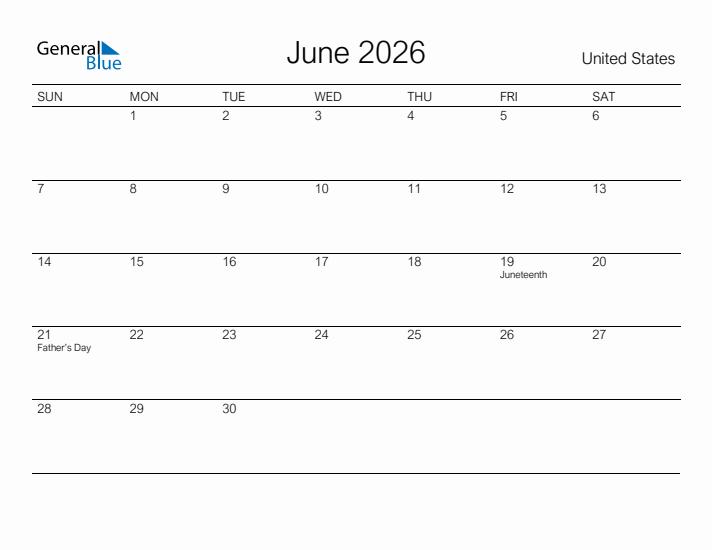
June marks the end of our journey, ushering in the summer solstice on June 21st. The longest day of the year marks the peak of summer, with warmth and sunshine filling the days. The full moon, known as the Strawberry Moon, reaches its peak on June 3rd, named after the ripening strawberries that grace the season.
FAQs
-
Q: What are the key dates for federal holidays in the United States for this period?
-
A: The key federal holidays in the United States from July 2026 to June 2027 are:
- July 4th, 2026: Independence Day
- November 26th, 2026: Thanksgiving Day
- December 25th, 2026: Christmas Day
- January 1st, 2027: New Year’s Day
- February 14th, 2027: Valentine’s Day
- May 30th, 2027: Memorial Day
-
A: The key federal holidays in the United States from July 2026 to June 2027 are:
-
Q: Are there any significant astronomical events during this period?
-
A: Yes, there are several notable astronomical events:
- Perseid Meteor Shower: Peaks on the night of August 12th and 13th, 2026.
- Full Moons: Each month features a full moon with a unique name and significance.
- Equinoxes and Solstices: The equinoxes mark the transition between seasons, while the solstices mark the longest and shortest days of the year.
-
A: Yes, there are several notable astronomical events:
-
Q: How can this calendar help me plan my year?
-
A: This calendar provides a framework for organizing your year by:
- Identifying key dates: Knowing important holidays, events, and deadlines allows for better planning.
- Scheduling appointments: The calendar acts as a visual reminder of appointments, meetings, and other commitments.
- Tracking progress: By noting milestones and achievements, the calendar can help monitor progress towards goals.
-
A: This calendar provides a framework for organizing your year by:
Tips
- Use a digital calendar: Digital calendars offer features like reminders, syncing across devices, and easy sharing with others.
- Color-code events: Categorize events by color to quickly identify different types of commitments.
- Set reminders: Utilize reminders to ensure you don’t miss important appointments or deadlines.
- Review your calendar regularly: Take time to review your calendar weekly or monthly to ensure everything is on track.
Conclusion
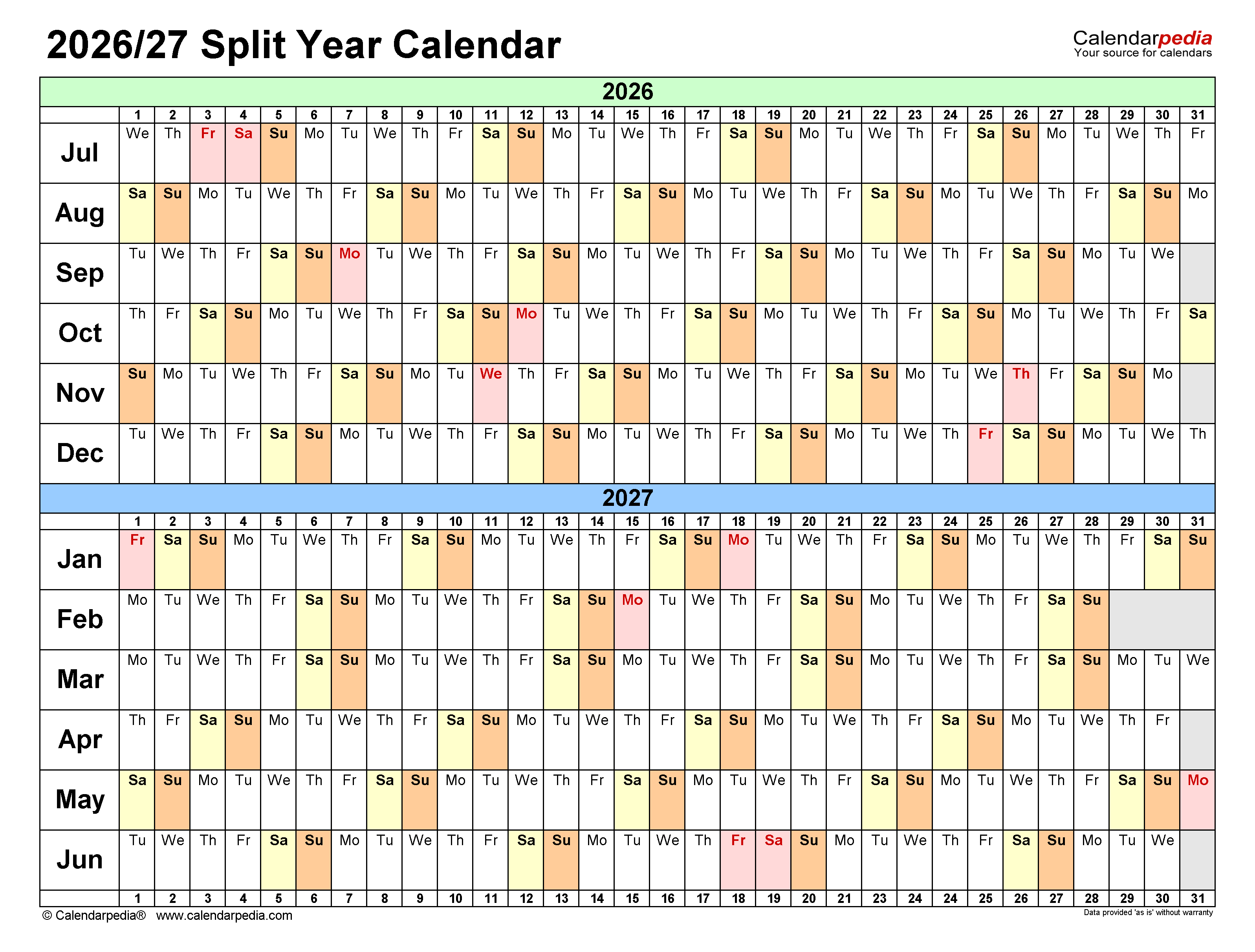
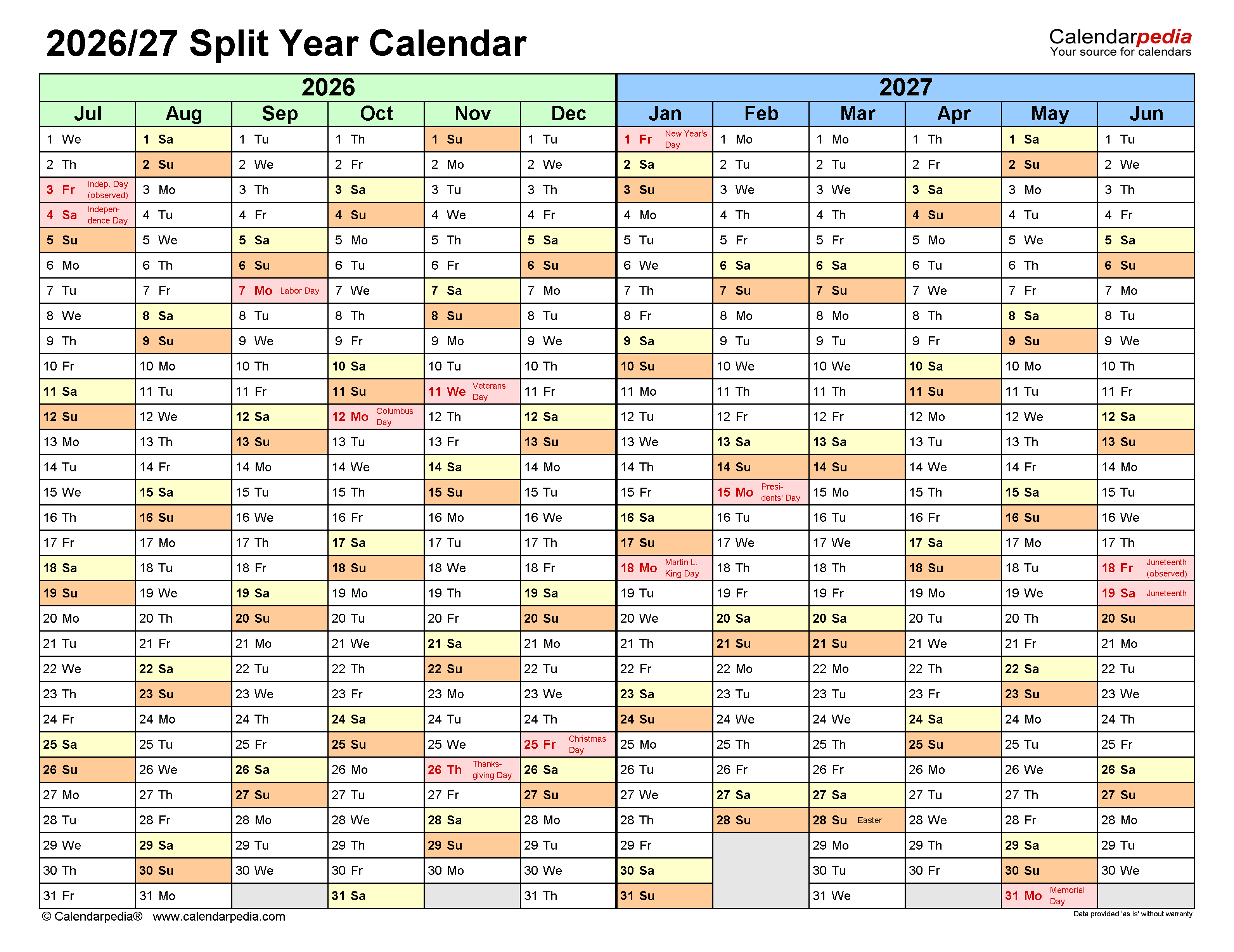
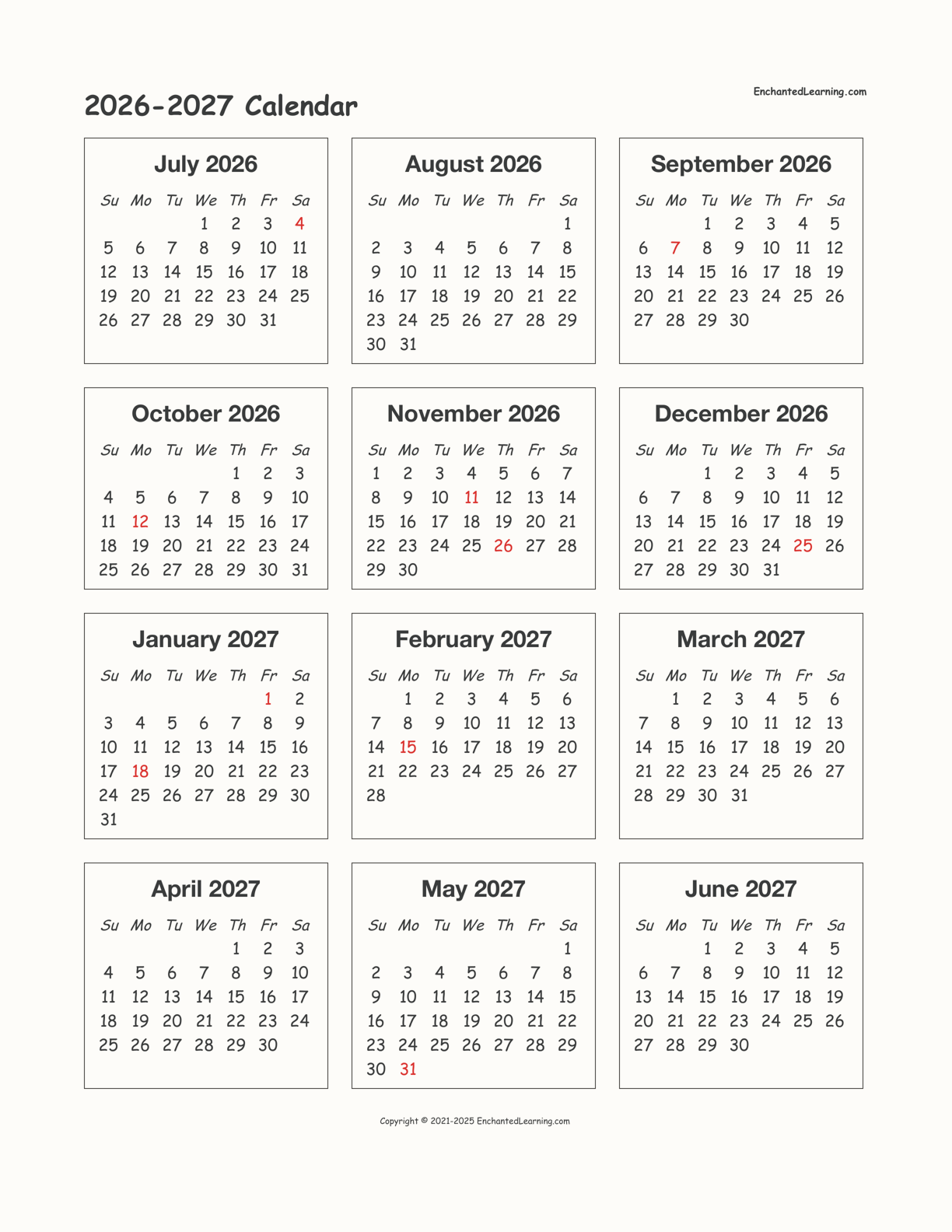
This comprehensive guide to the monthly calendar from July 2026 to June 2027 provides a roadmap for navigating the year ahead. By understanding the key dates, holidays, and events, individuals can effectively plan their time, manage their commitments, and maximize their opportunities. This calendar serves as a valuable tool for personal and professional organization, ensuring that no important date or event goes unnoticed.
Closure
Thus, we hope this article has provided valuable insights into Navigating the Year: A Comprehensive Guide to the Monthly Calendar from July 2026 to June 2027. We appreciate your attention to our article. See you in our next article!