Navigating the Year: A Comprehensive Guide to the 2026 Month-at-a-Glance Calendar
Related Articles: Navigating the Year: A Comprehensive Guide to the 2026 Month-at-a-Glance Calendar
Introduction
With enthusiasm, let’s navigate through the intriguing topic related to Navigating the Year: A Comprehensive Guide to the 2026 Month-at-a-Glance Calendar. Let’s weave interesting information and offer fresh perspectives to the readers.
Table of Content
Navigating the Year: A Comprehensive Guide to the 2026 Month-at-a-Glance Calendar
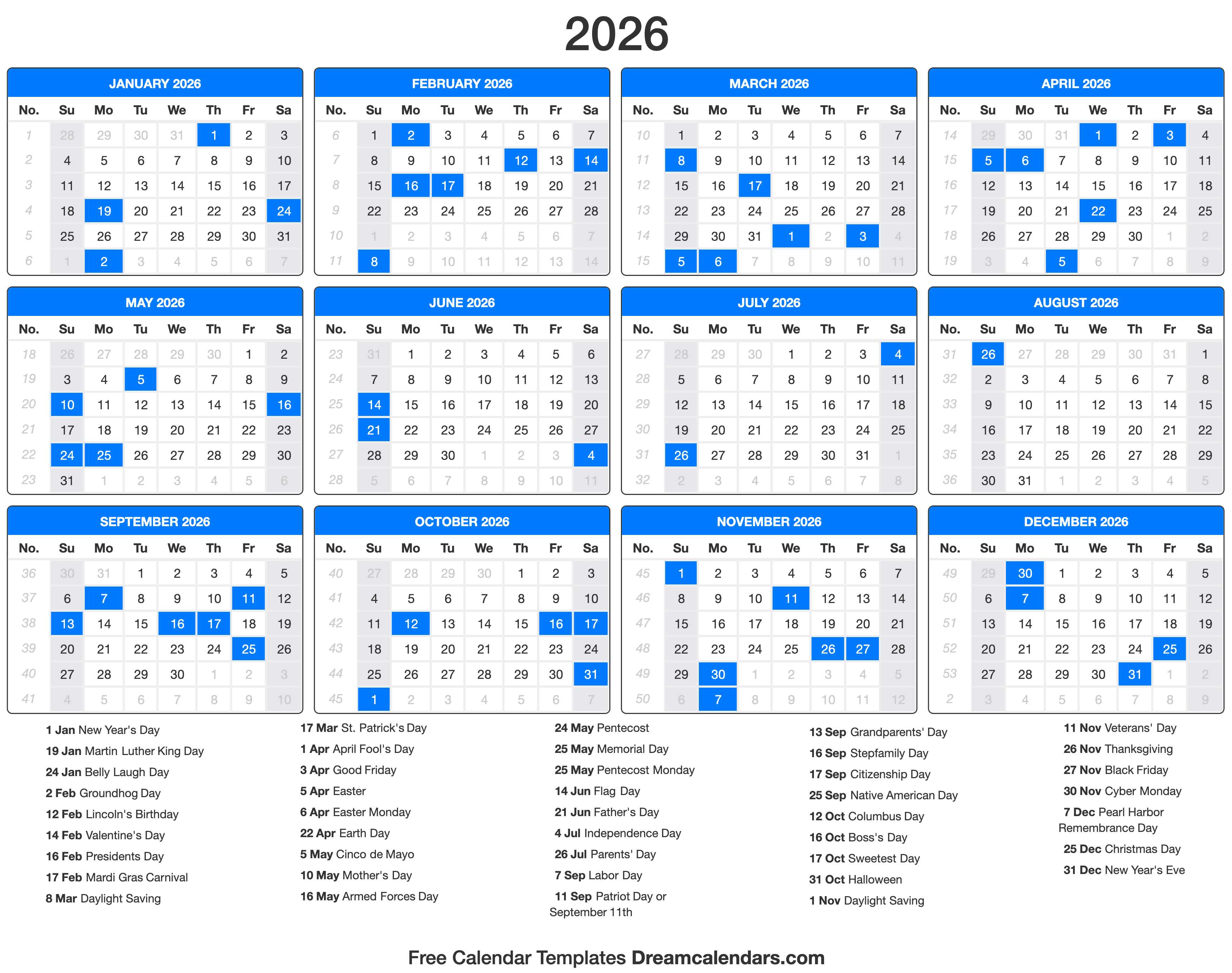
The year 2026 presents a blank canvas upon which we can paint our goals, aspirations, and commitments. To effectively navigate this journey, a powerful tool emerges: the month-at-a-glance calendar. This seemingly simple document becomes a vital companion, offering a structured framework for organizing our time, managing tasks, and maximizing productivity.
Understanding the Structure:
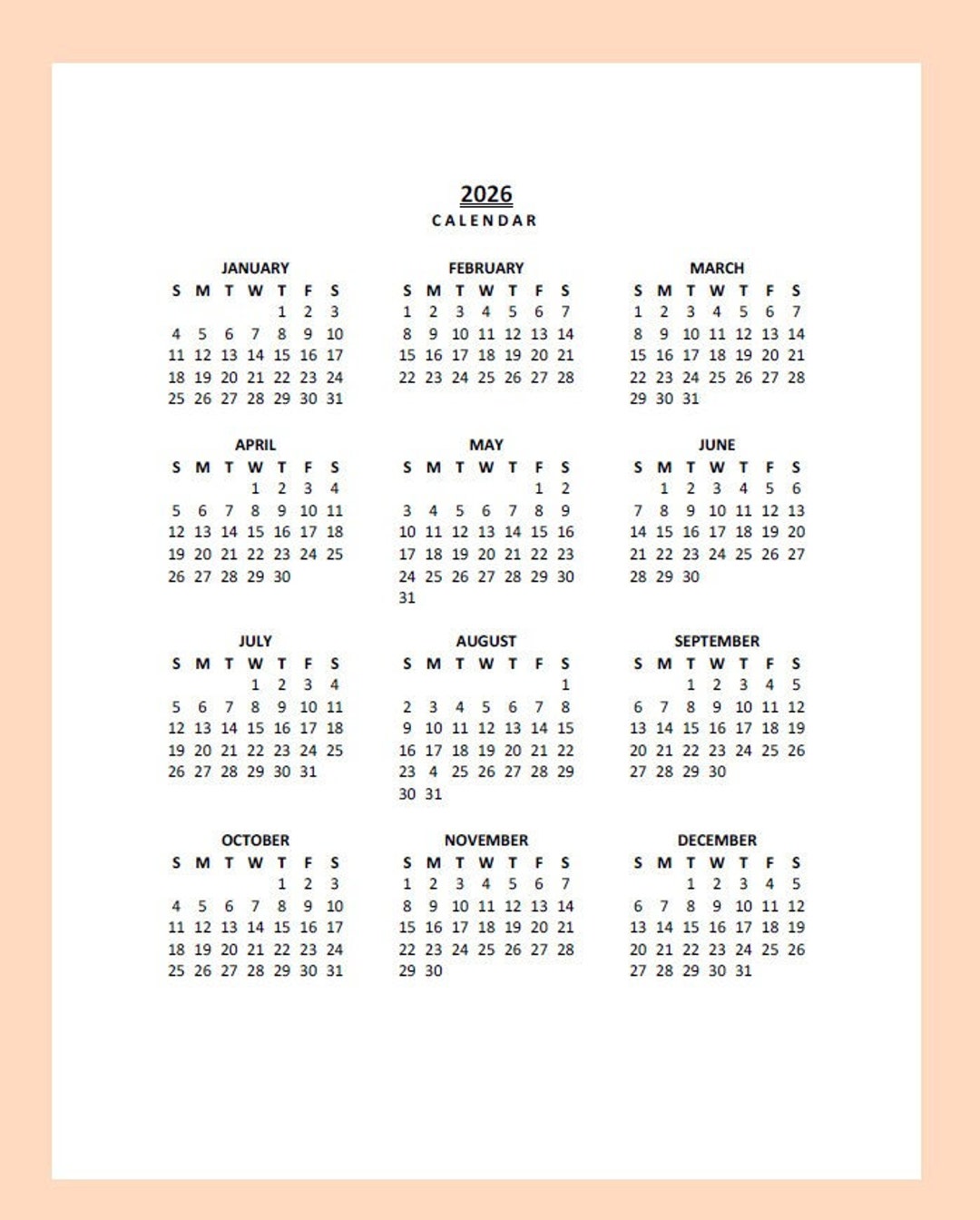
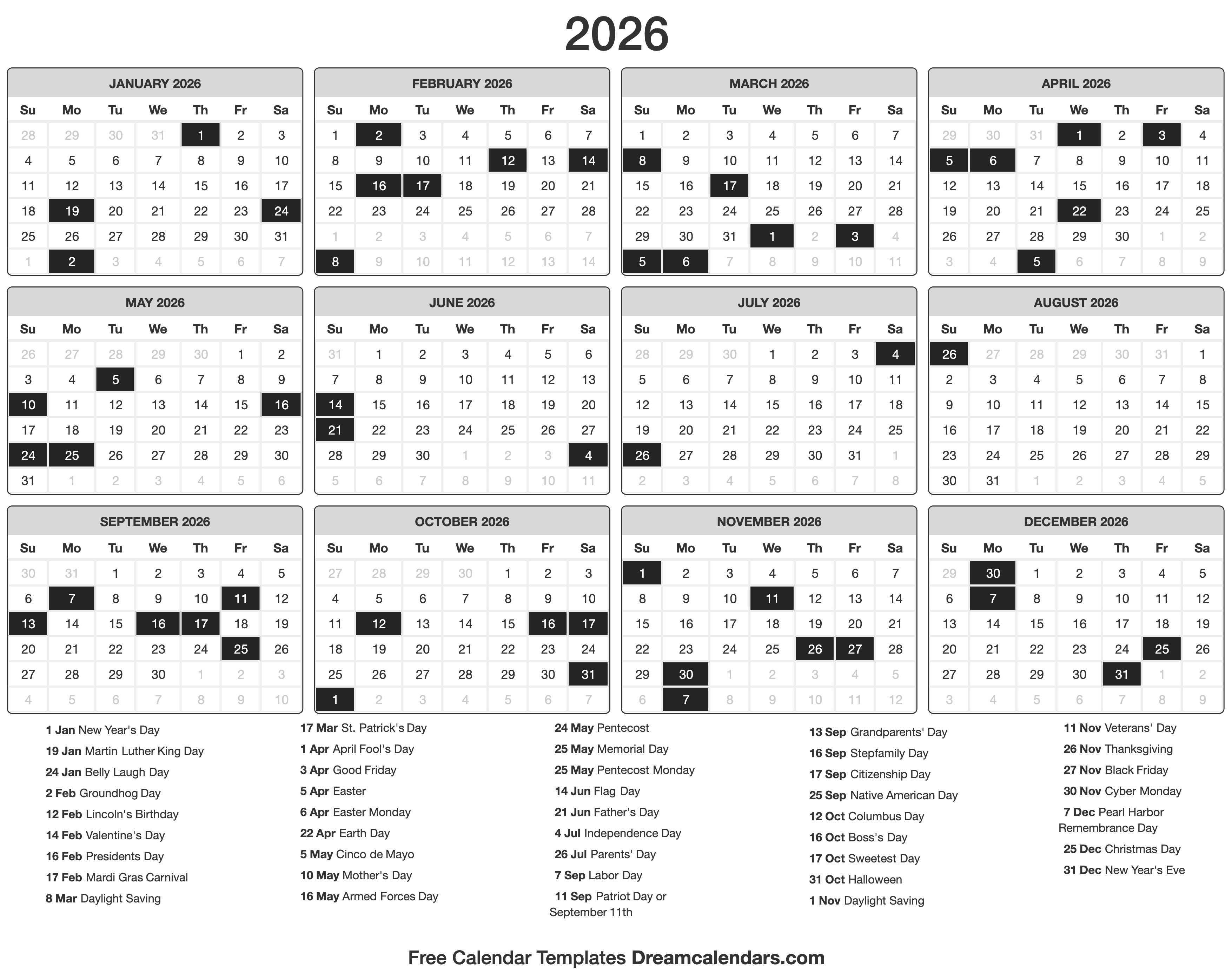
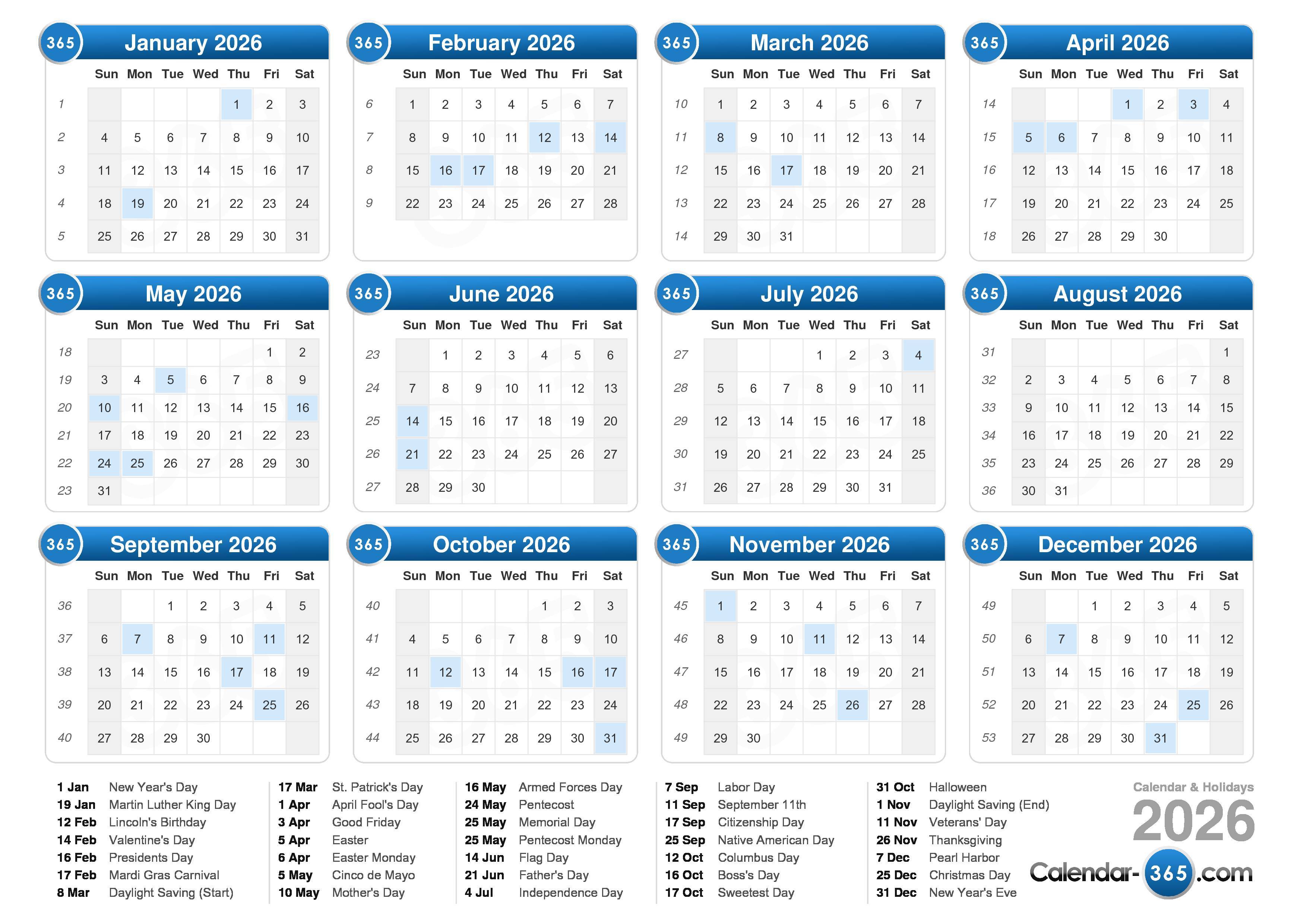
The month-at-a-glance calendar, as the name suggests, provides a condensed overview of an entire month. Typically, it features a grid layout where each day is represented by a square or rectangle. This visual representation allows for quick identification of key dates, events, and deadlines.
Benefits of a Month-at-a-Glance Calendar:
-
Enhanced Organization and Time Management: By visually outlining the entire month, the calendar facilitates a holistic understanding of time commitments. This allows for efficient scheduling of appointments, meetings, and personal obligations, minimizing scheduling conflicts and maximizing time utilization.
-
Goal Setting and Tracking: The month-at-a-glance calendar can serve as a platform for goal setting and progress tracking. By noting milestones, deadlines, and key action items, individuals can monitor their progress towards achieving desired outcomes.
-
Improved Planning and Prioritization: With a clear visual representation of the month ahead, individuals can prioritize tasks based on urgency and importance. This helps in allocating time effectively and avoiding procrastination.
-
Increased Accountability and Motivation: Regularly referencing the calendar fosters a sense of accountability and responsibility. Seeing upcoming deadlines and commitments can serve as a motivating factor to stay on track and achieve goals.
-
Reduced Stress and Anxiety: By effectively organizing and managing time, the calendar helps reduce stress and anxiety associated with juggling multiple responsibilities. The visual overview provides a sense of control and clarity, promoting a calmer and more focused approach to daily life.
Navigating the 2026 Month-at-a-Glance Calendar:
January 2026:
- New Year’s Day: A time for reflection, resolutions, and setting the tone for the year ahead.
- Martin Luther King Jr. Day: A national holiday commemorating the civil rights leader and advocating for social justice.
- Lunar New Year: Celebrated by many Asian cultures, marking the beginning of a new year according to the lunisolar calendar.
February 2026:
- Valentine’s Day: A day dedicated to love and affection, celebrated with romantic gestures and expressions of appreciation.
- Presidents’ Day: A national holiday honoring the birthdays of George Washington and Abraham Lincoln.
March 2026:
- St. Patrick’s Day: A cultural and religious holiday celebrating the patron saint of Ireland, often marked by parades, green attire, and traditional Irish music.
- Spring Equinox: The day when day and night are equal in length, marking the official start of spring in the Northern Hemisphere.
April 2026:
- Easter Sunday: A Christian holiday celebrating the resurrection of Jesus Christ, typically observed with church services and family gatherings.
- Earth Day: An international day of action dedicated to protecting the environment and promoting sustainability.
May 2026:
- Mother’s Day: A day to honor and appreciate mothers, often celebrated with gifts, cards, and special meals.
- Memorial Day: A national holiday honoring those who have died while serving in the United States Armed Forces.
June 2026:
- Father’s Day: A day to celebrate fathers and father figures, often marked with gifts, cards, and special activities.
- Summer Solstice: The longest day of the year in the Northern Hemisphere, marking the official start of summer.
July 2026:
- Independence Day: A national holiday celebrating the Declaration of Independence of the United States, often marked with fireworks displays and patriotic celebrations.
August 2026:
- Labor Day: A national holiday honoring the contributions of workers, often celebrated with parades and picnics.
September 2026:
- Fall Equinox: The day when day and night are equal in length, marking the official start of autumn in the Northern Hemisphere.
October 2026:
- Halloween: A holiday celebrated with costumes, trick-or-treating, and spooky decorations.
November 2026:
- Thanksgiving Day: A national holiday celebrating the harvest and giving thanks, traditionally marked with a large family meal.
- Veterans Day: A national holiday honoring those who have served in the United States Armed Forces.
December 2026:
- Christmas Day: A Christian holiday celebrating the birth of Jesus Christ, often marked with gift-giving, family gatherings, and festive decorations.
- New Year’s Eve: A time for celebration and reflection, often marked with parties and fireworks displays.
FAQs:
Q: What are some tips for effectively using a month-at-a-glance calendar?
A:
- Regularly review and update the calendar: Make it a habit to check the calendar daily or weekly to stay informed of upcoming commitments.
- Use color coding: Assign different colors to different categories of events or tasks to easily distinguish them.
- Leave space for notes: Use the calendar as a space to jot down important reminders, ideas, or to-do lists.
- Keep it accessible: Place the calendar in a prominent location where it is easily visible and readily available.
Q: What are some common mistakes to avoid when using a month-at-a-glance calendar?
A:
- Overbooking: Avoid scheduling too many commitments in a single day or week, as this can lead to stress and overwhelm.
- Ignoring deadlines: Be mindful of upcoming deadlines and allocate sufficient time for task completion.
- Lack of flexibility: Be prepared to adjust the calendar as unexpected events arise.
- Forgetting to review and update: Regularly review and update the calendar to ensure it reflects current commitments and priorities.
Q: Are there any alternative methods for managing time and tasks besides a month-at-a-glance calendar?
A:
- Digital calendars: Online calendars offer features such as reminders, notifications, and syncing across multiple devices.
- Task management apps: Apps such as Trello, Asana, and Todoist provide tools for organizing tasks, setting deadlines, and tracking progress.
- Bullet journaling: A customizable system for tracking tasks, appointments, and ideas using a notebook and pen.
Conclusion:
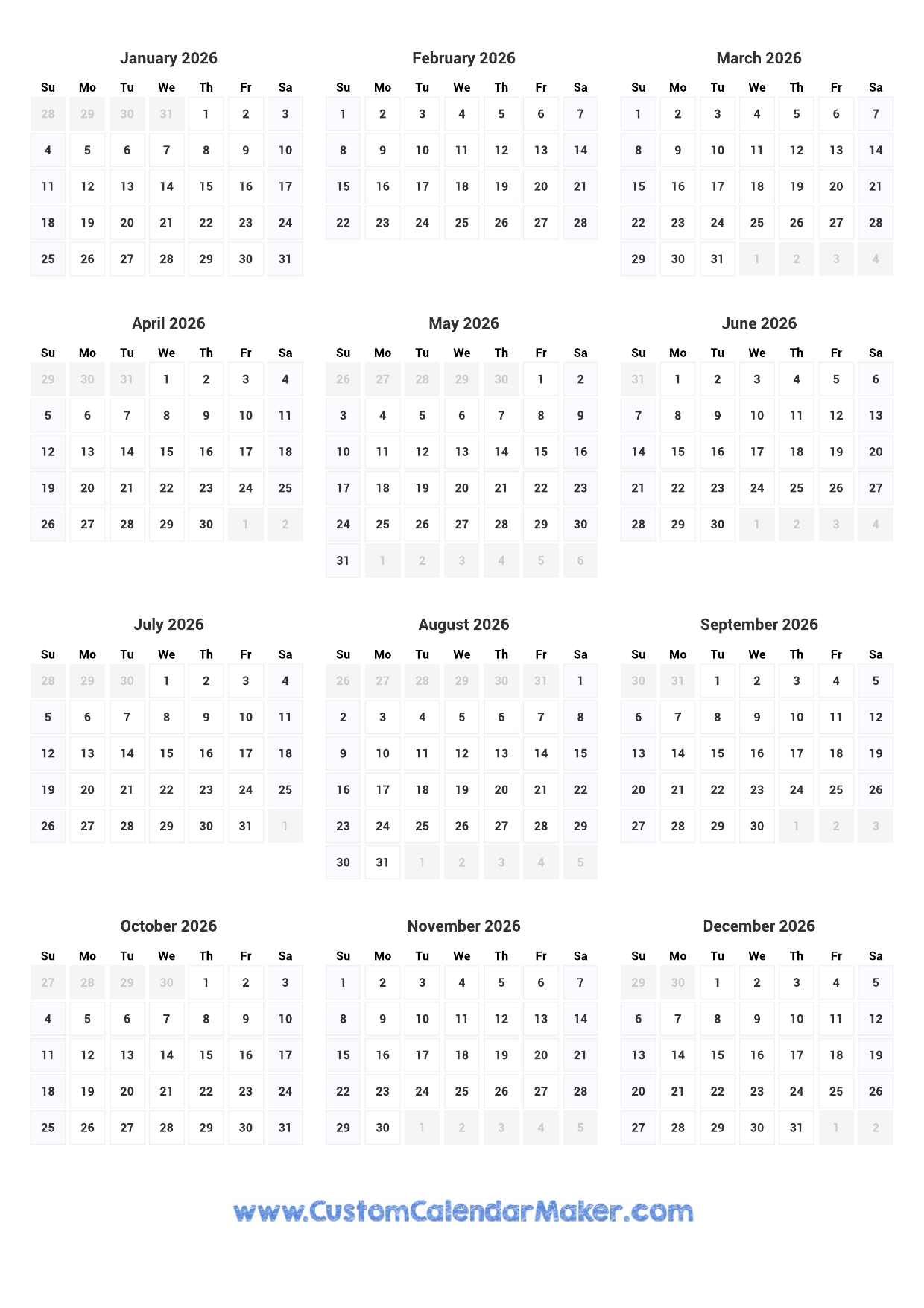
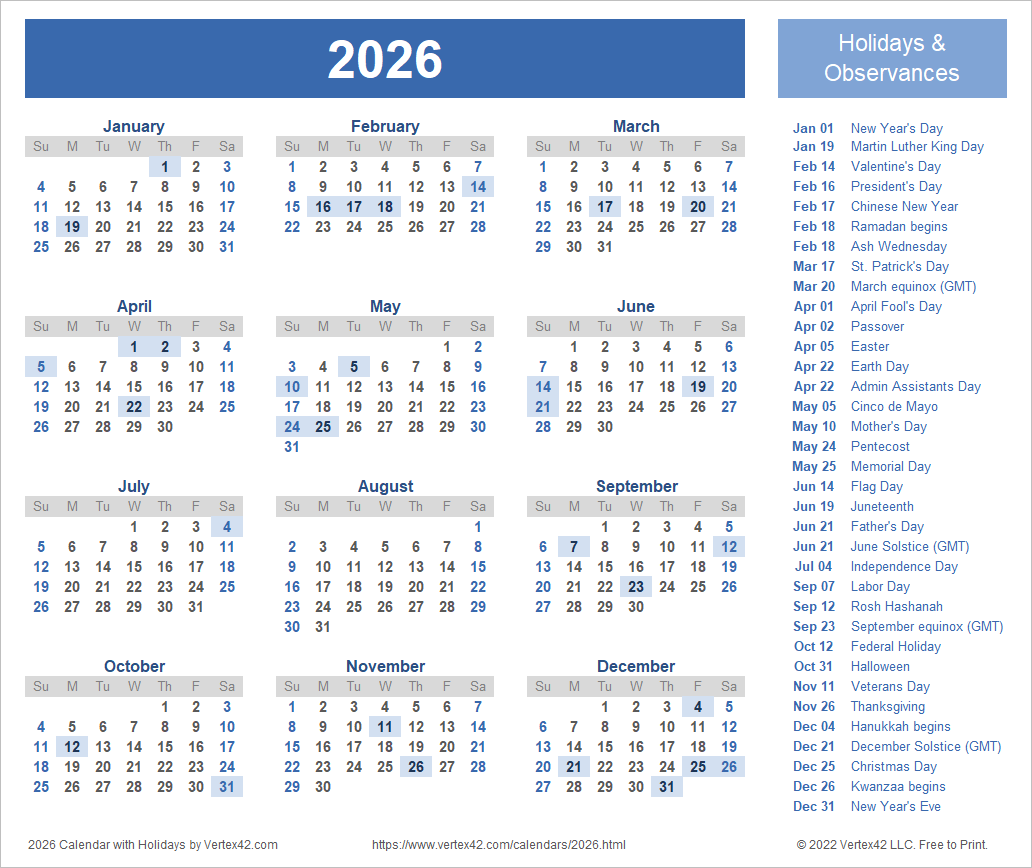
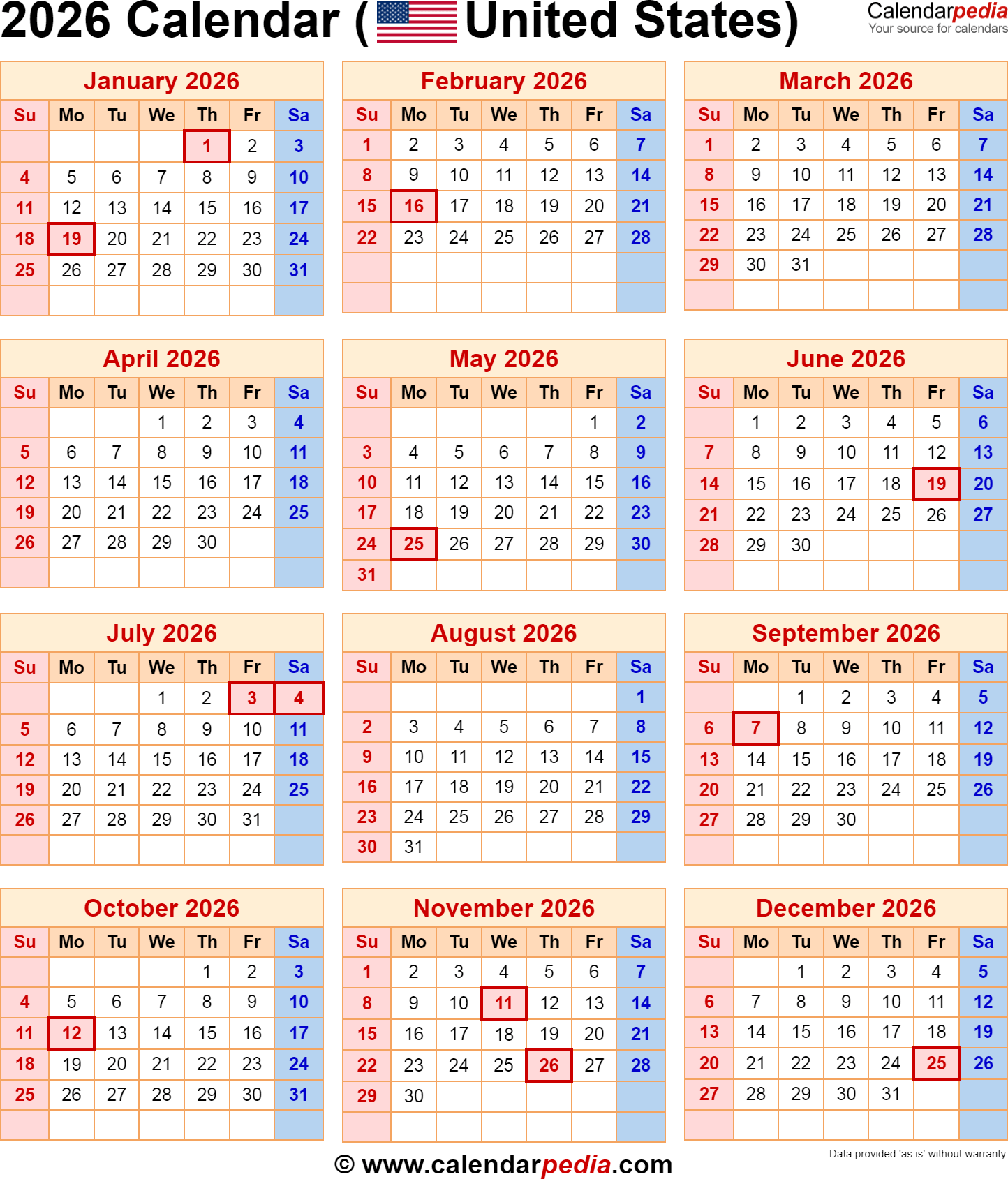
The month-at-a-glance calendar serves as a powerful tool for navigating the year 2026. By providing a structured framework for organizing time, managing tasks, and prioritizing commitments, it empowers individuals to achieve their goals, maximize productivity, and live a more balanced and fulfilling life. Whether used in conjunction with other time management techniques or as a standalone tool, the month-at-a-glance calendar remains an invaluable resource for individuals seeking to make the most of their time and achieve their aspirations.


Closure
Thus, we hope this article has provided valuable insights into Navigating the Year: A Comprehensive Guide to the 2026 Month-at-a-Glance Calendar. We appreciate your attention to our article. See you in our next article!