Navigating the Future: A Comprehensive Guide to the OC 2026 Calendar
Related Articles: Navigating the Future: A Comprehensive Guide to the OC 2026 Calendar
Introduction
In this auspicious occasion, we are delighted to delve into the intriguing topic related to Navigating the Future: A Comprehensive Guide to the OC 2026 Calendar. Let’s weave interesting information and offer fresh perspectives to the readers.
Table of Content
Navigating the Future: A Comprehensive Guide to the OC 2026 Calendar
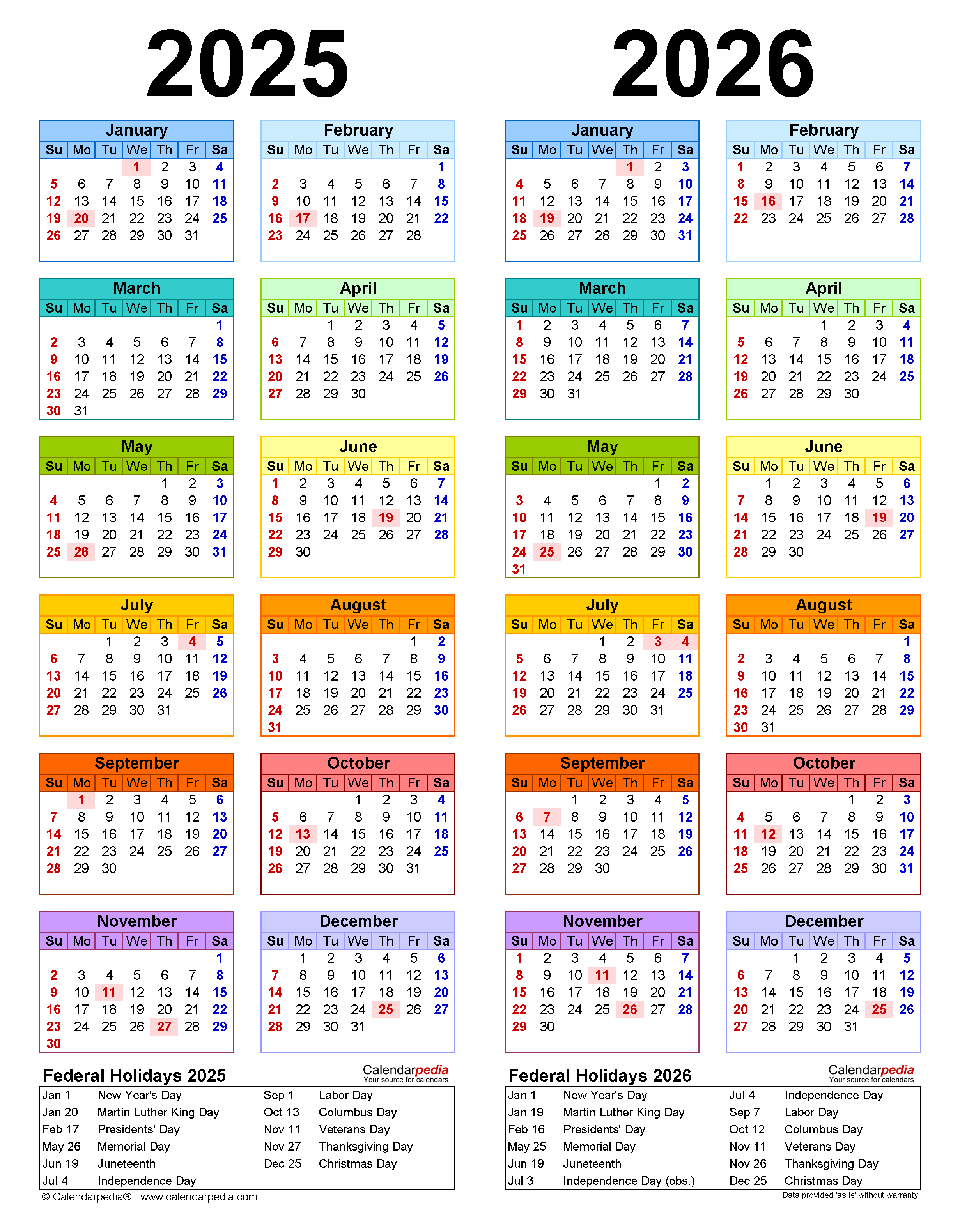
The year 2026 may seem distant, but for organizations and individuals alike, strategic planning necessitates a forward-looking perspective. The OC 2026 calendar, a comprehensive and dynamic tool, provides a roadmap for navigating the complexities of the coming years. This document transcends a simple date tracker, offering a framework for aligning goals, allocating resources, and anticipating potential challenges.
Understanding the Significance of a Forward-Looking Calendar
The OC 2026 calendar is not merely a collection of dates; it is a strategic instrument. Its importance lies in its ability to:
- Enhance Strategic Planning: By outlining key events, milestones, and potential disruptions, the calendar allows organizations to proactively develop strategies and allocate resources effectively.
- Improve Decision-Making: The calendar provides a holistic view of the future, enabling informed decisions based on anticipated trends, market fluctuations, and evolving regulations.
- Foster Collaboration: Sharing the calendar with stakeholders, including employees, partners, and clients, fosters transparency and ensures everyone is aligned on key objectives and timelines.
- Mitigate Risks: By identifying potential challenges and opportunities, the calendar empowers organizations to develop contingency plans and capitalize on emergent trends.
- Drive Innovation: The calendar can be used to track research and development projects, monitor emerging technologies, and identify potential areas for innovation.
Key Components of the OC 2026 Calendar
The OC 2026 calendar encompasses a wide range of elements, each contributing to a comprehensive understanding of the future landscape:
- Global Events and Trends: Major political, economic, and social events, such as elections, global summits, and technological breakthroughs, are documented, providing a context for decision-making.
- Industry-Specific Developments: Specific trends and challenges within individual sectors are highlighted, enabling organizations to tailor their strategies to industry-specific dynamics.
- Technological Advancements: Emerging technologies, such as artificial intelligence, blockchain, and quantum computing, are tracked, allowing organizations to anticipate their impact on their operations and industries.
- Environmental and Social Factors: The calendar incorporates data on climate change, resource scarcity, and social movements, acknowledging their potential influence on business operations and societal dynamics.
- Economic Forecasts: Economic indicators, such as inflation rates, interest rates, and GDP growth, are projected, providing insights into potential economic fluctuations.
- Risk Assessments: Potential disruptions, including natural disasters, geopolitical conflicts, and cybersecurity threats, are identified, enabling organizations to develop mitigation strategies.
- Resource Allocation and Budgeting: The calendar facilitates the allocation of resources, including financial, human, and technological assets, ensuring alignment with strategic priorities.
- Performance Tracking and Evaluation: The calendar provides a framework for monitoring progress towards goals, identifying areas for improvement, and adapting strategies as needed.
FAQs Regarding the OC 2026 Calendar
Q: Who is the OC 2026 calendar intended for?
A: The OC 2026 calendar is designed for a wide range of stakeholders, including:
- Executives: For strategic planning, resource allocation, and risk management.
- Managers: For operational planning, team management, and project prioritization.
- Employees: For understanding organizational goals, timelines, and potential impacts on their work.
- Investors: For assessing potential risks and opportunities, and understanding the long-term outlook of an organization.
Q: How is the information in the OC 2026 calendar gathered?
A: The information is compiled through a rigorous process involving:
- Data analysis: Analyzing data from various sources, including government reports, industry publications, and research institutions.
- Expert consultation: Seeking input from subject matter experts in different fields, including economists, technologists, and political analysts.
- Scenario planning: Developing multiple scenarios based on different assumptions about the future, allowing for a range of potential outcomes.
Q: How often is the OC 2026 calendar updated?
A: The OC 2026 calendar is a dynamic document that is regularly updated to reflect new information and evolving trends. Updates are typically made quarterly or semi-annually, depending on the rate of change in the relevant fields.
Q: What are the potential benefits of using the OC 2026 calendar?
A: Using the OC 2026 calendar can lead to:
- Improved decision-making: By providing a comprehensive view of the future, the calendar enables organizations to make informed decisions based on anticipated trends.
- Enhanced competitiveness: By anticipating industry shifts and potential disruptions, organizations can develop strategies to maintain or gain a competitive advantage.
- Increased resilience: The calendar helps organizations identify and mitigate potential risks, increasing their resilience to unforeseen challenges.
- Greater innovation: By tracking emerging technologies and market trends, the calendar can foster innovation and support the development of new products and services.
- Improved stakeholder relationships: Sharing the calendar with stakeholders fosters transparency and alignment, strengthening relationships and building trust.
Tips for Effectively Utilizing the OC 2026 Calendar
- Regularly review and update: Ensure the calendar reflects the latest information and evolving trends.
- Integrate into decision-making: Use the calendar as a reference point for all strategic decisions.
- Communicate with stakeholders: Share the calendar with relevant parties to ensure everyone is aligned on key objectives and timelines.
- Utilize for scenario planning: Develop different scenarios based on the information in the calendar to prepare for various potential outcomes.
- Continuously monitor and adapt: Track progress towards goals, identify areas for improvement, and adapt strategies as needed.
Conclusion
The OC 2026 calendar is an invaluable tool for organizations navigating the complexities of the future. By providing a comprehensive overview of global events, industry trends, and potential disruptions, the calendar empowers organizations to make informed decisions, mitigate risks, and seize opportunities. By embracing a forward-looking perspective and leveraging the insights provided by this strategic document, organizations can chart a course towards a successful and sustainable future.

Closure
Thus, we hope this article has provided valuable insights into Navigating the Future: A Comprehensive Guide to the OC 2026 Calendar. We hope you find this article informative and beneficial. See you in our next article!