Navigating the Academic Landscape: An In-Depth Look at Virginia Tech’s 2026 Academic Calendar
Related Articles: Navigating the Academic Landscape: An In-Depth Look at Virginia Tech’s 2026 Academic Calendar
Introduction
With enthusiasm, let’s navigate through the intriguing topic related to Navigating the Academic Landscape: An In-Depth Look at Virginia Tech’s 2026 Academic Calendar. Let’s weave interesting information and offer fresh perspectives to the readers.
Table of Content
- 1 Related Articles: Navigating the Academic Landscape: An In-Depth Look at Virginia Tech’s 2026 Academic Calendar
- 2 Introduction
- 3 Navigating the Academic Landscape: An In-Depth Look at Virginia Tech’s 2026 Academic Calendar
- 3.1 Understanding the Framework: A Comprehensive Overview
- 3.2 Engaging with the Calendar: A Closer Look at its Benefits
- 3.3 FAQs: Addressing Common Queries
- 3.4 Tips for Navigating the Academic Calendar
- 3.5 Conclusion: Embracing the Academic Journey
- 4 Closure
Navigating the Academic Landscape: An In-Depth Look at Virginia Tech’s 2026 Academic Calendar
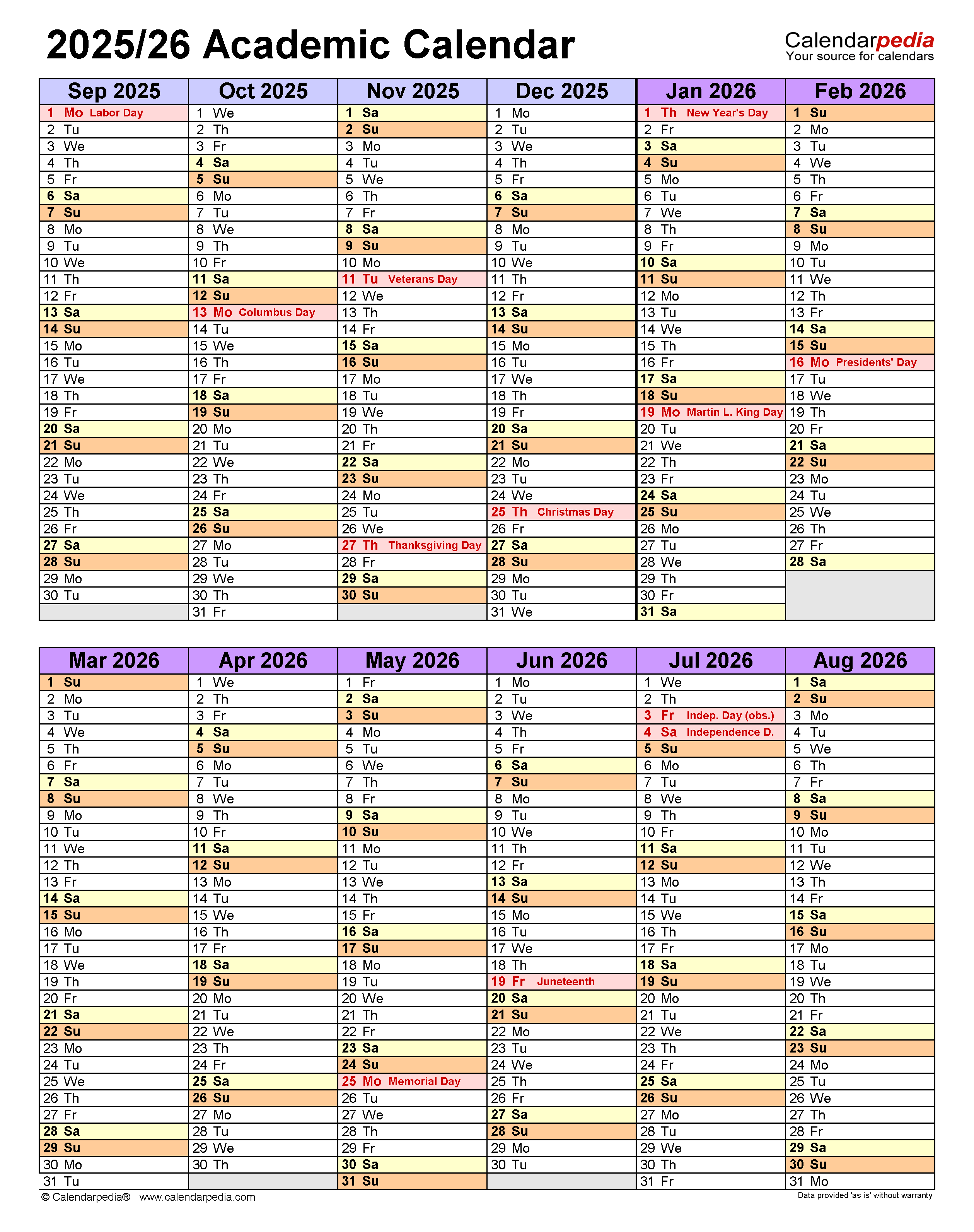
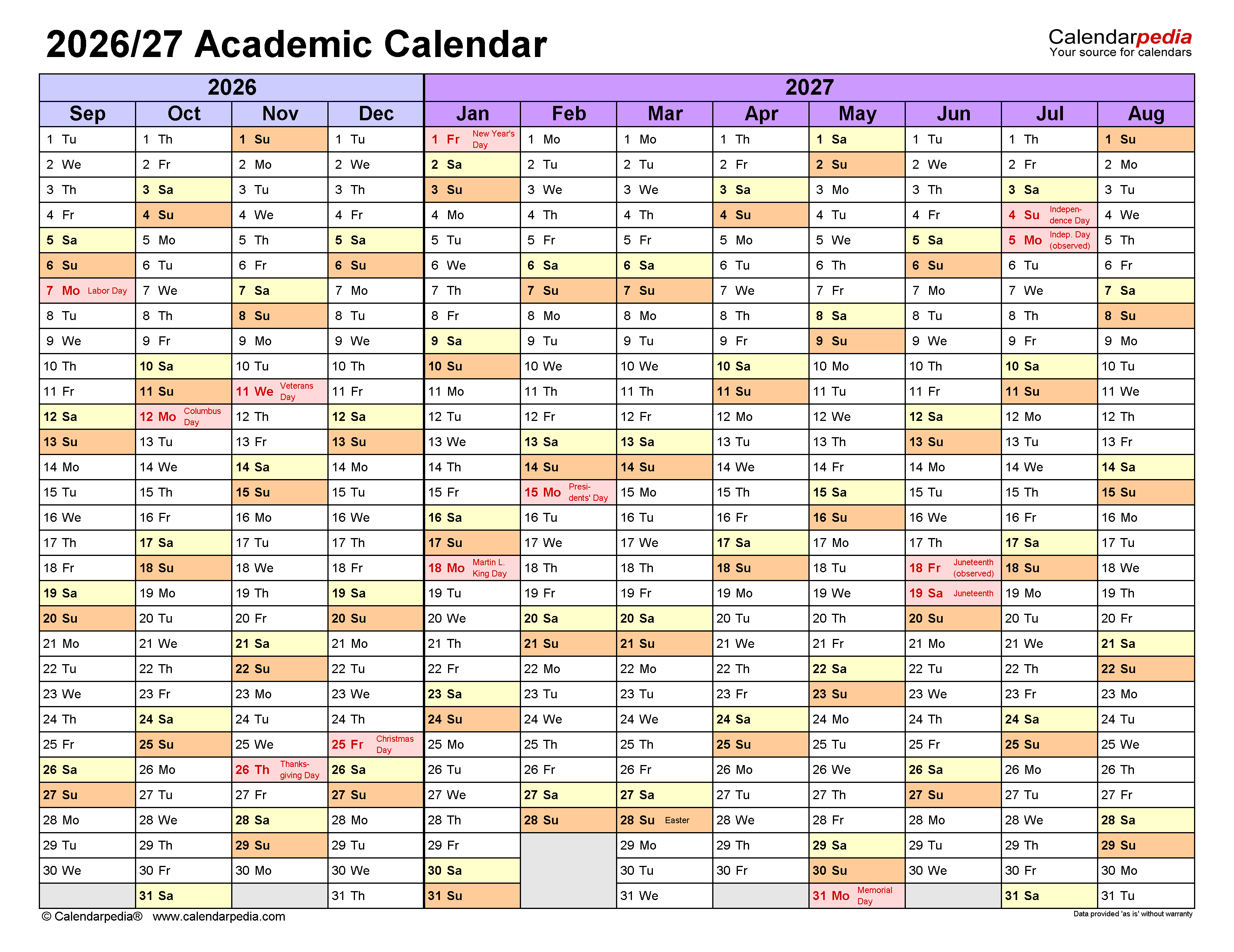
The Virginia Tech academic calendar serves as a vital roadmap for students, faculty, and staff, outlining the rhythm of the academic year. It dictates the commencement and conclusion of semesters, breaks, and important academic milestones, allowing for effective planning and coordination across the university.
While the exact dates for the 2026 academic calendar are not yet finalized, a thorough examination of historical trends and university policies provides a comprehensive understanding of its anticipated structure and significance.
Understanding the Framework: A Comprehensive Overview
The Virginia Tech academic calendar typically follows a semester system, dividing the academic year into two distinct periods: fall and spring semesters. Each semester is further subdivided into specific instructional periods, including:
- Instructional Periods: These periods encompass the core lecture and lab sessions, with deadlines for assignments and exams.
- Exam Periods: Dedicated timeframes for final examinations at the end of each semester.
- Breaks: Periods of respite for students and faculty, including Thanksgiving break, winter break, and spring break.
Key Components of the 2026 Academic Calendar
-
Fall Semester:
- Anticipated Start: Late August or early September
- Anticipated End: Mid-December
- Thanksgiving Break: Late November
-
Spring Semester:
- Anticipated Start: Early January
- Anticipated End: Late May
- Spring Break: Mid-March
Beyond the Semester System: Important Dates and Events
The Virginia Tech academic calendar extends beyond the semester system, incorporating crucial dates and events that influence the academic year:
- Orientation: A crucial period for new students to acclimate to university life, typically held in late August before the start of the fall semester.
- Commencement: The annual ceremony where graduating students receive their degrees, usually held in May.
- Registration Periods: Designated timeframes for students to enroll in courses for the upcoming semesters, typically occurring a few months prior to the start of each semester.
- Add/Drop Periods: Short windows after the start of each semester when students can add or drop courses, allowing for flexibility in course selection.
The Significance of a Well-Defined Academic Calendar
The Virginia Tech academic calendar plays a pivotal role in ensuring a smooth and efficient academic experience for all stakeholders:
- Students: The calendar provides a clear framework for planning their academic endeavors, allowing them to manage their coursework, exams, and breaks effectively.
- Faculty: The calendar guides the scheduling of classes, office hours, and research activities, enabling them to optimize their time and resources.
- Staff: The calendar serves as a guide for administrative tasks, such as registration, financial aid processing, and student services, ensuring a seamless operation of the university.
Engaging with the Calendar: A Closer Look at its Benefits
- Enhanced Time Management: The calendar fosters effective time management by providing a clear outline of deadlines, breaks, and important events. Students can utilize this information to prioritize their academic commitments, allocate time for study, and plan for personal commitments.
- Improved Course Planning: The calendar facilitates meticulous course planning by outlining registration periods, add/drop deadlines, and the duration of each semester. Students can use this information to choose courses that align with their academic goals and personal schedules.
- Streamlined Communication: The calendar serves as a central hub for communicating important academic information to students, faculty, and staff. This ensures that everyone is aware of deadlines, events, and any changes or updates, fostering transparency and efficient communication.
- Increased Efficiency: The calendar facilitates a smooth and efficient academic workflow by providing a structured framework for the academic year. This reduces confusion and ambiguity, allowing students, faculty, and staff to focus on their core responsibilities.
FAQs: Addressing Common Queries
1. When is the final deadline for course registration for the Fall 2026 semester?
- The exact deadline for course registration for the Fall 2026 semester is not yet available. However, historically, the deadline falls a few weeks before the start of the semester. Students are advised to consult the official Virginia Tech website for the most up-to-date information.
2. What are the dates for the 2026 Spring Break?
- The specific dates for the 2026 Spring Break are not yet confirmed. However, based on past trends, it is anticipated to occur in mid-March. Students should refer to the official Virginia Tech academic calendar for the exact dates.
3. Can I access the 2026 academic calendar online?
- The official Virginia Tech academic calendar is typically published online several months before the start of the academic year. It is usually accessible on the university website’s registrar’s office page.
4. How often is the academic calendar updated?
- The academic calendar is generally finalized several months before the start of the academic year. Minor adjustments may occur throughout the year due to unforeseen circumstances. Students should check the official website for the most current information.
5. What happens if a significant event, such as a natural disaster, disrupts the academic calendar?
- In the event of unforeseen circumstances, such as a natural disaster, Virginia Tech will implement contingency plans to minimize disruption to the academic calendar. The university will communicate any changes or adjustments through official channels, including email and the university website.
Tips for Navigating the Academic Calendar
- Stay Informed: Regularly check the official Virginia Tech website for updates and changes to the academic calendar.
- Utilize Calendar Apps: Utilize digital calendar apps to track important dates, deadlines, and events.
- Create a Personal Schedule: Develop a personal schedule based on the academic calendar, incorporating deadlines, exams, and breaks.
- Seek Guidance: Contact the registrar’s office or academic advisors for assistance with understanding the academic calendar and its implications.
Conclusion: Embracing the Academic Journey
The Virginia Tech academic calendar is a crucial tool for navigating the academic landscape, providing a clear roadmap for students, faculty, and staff. By understanding its structure, benefits, and potential adjustments, stakeholders can effectively plan their academic journey, manage their time, and maximize their academic experience. The calendar fosters a sense of community and ensures a smooth and efficient academic experience for all members of the Virginia Tech community.


Closure
Thus, we hope this article has provided valuable insights into Navigating the Academic Landscape: An In-Depth Look at Virginia Tech’s 2026 Academic Calendar. We hope you find this article informative and beneficial. See you in our next article!